
Jerusalem Post
ByGALIT SNIR, CLINICAL NUTRITIONIST
Our body changes over the years – especially the female body. A clinical dietitian explains what is important to eat at every stage – and also gives ideas for particularly nutritious meals.
Within the daily race, between work, family, security situation and a busy routine, it is easy to forget how much our body changes over the years – and how much it needs precise nutritional adjustment at every stage.
But the body remembers – it undergoes significant changes over the years and at each stage it needs different nutritional support. Women’s nutrition should be adapted to the age one is in and thus help cope with physiological changes, strengthen vital systems and prepare the body in an optimal way for the various challenges.
So what does proper nutrition look like at each stage of life?
Nutrition during the reproductive years
The reproductive period is defined from the first menstruation until its end. It is characterized by pregnancies and childbirth, which increase the body’s nutritional demands. During this period, it is especially important to provide all the essential nutrients for the mother and the fetus.
What is important to pay attention to?
• Folic acid: Essential for preventing birth defects. Found in whole grains, green vegetables and legumes.
• Iron: Contributes to the cognitive development of the fetus, and is often lacking in women. Found in beef, chicken, turkey, eggs, fish and legumes.
• Omega 3: Important for the development of the fetal brain during pregnancy and breastfeeding. Found in sea fish, flaxseeds and canola and olive oil.
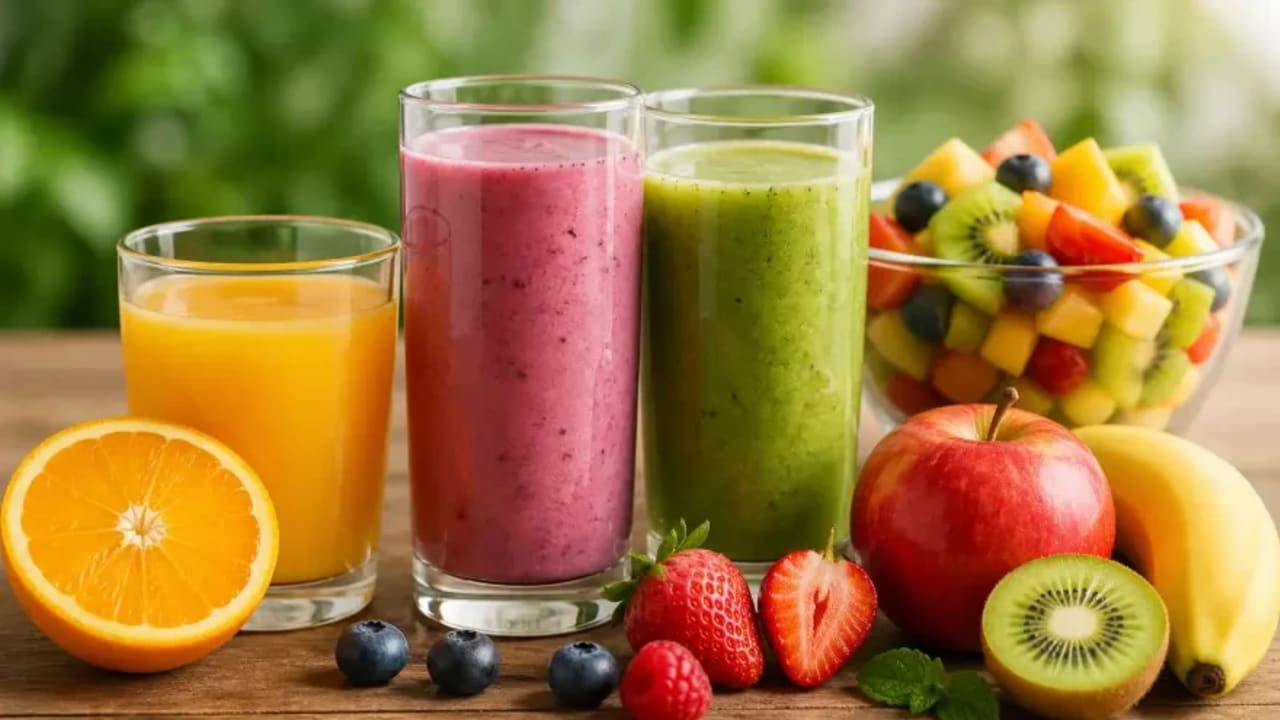
• Vitamins and minerals: Required in increased amounts at this stage. It is recommended to consume at least 5 servings of vegetables and fruits per day and vary in colors and types.
• Addition of quality energy: During pregnancy and breastfeeding, the body needs about 300 additional calories per day, preferably from quality sources such as whole grains, protein and legumes.
Recommended meal
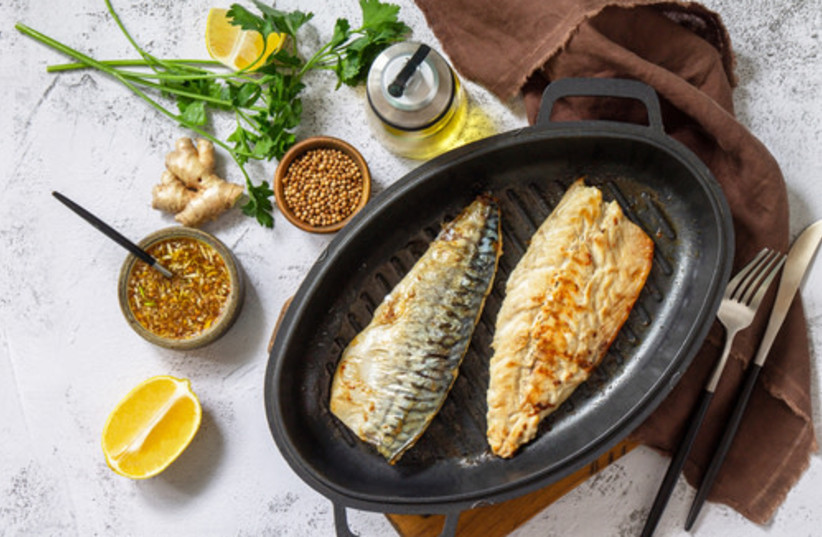
Baked salmon with mejadra and green beans and lettuce salad: A meal rich in protein, omega 3, iron and folic acid.
Nutrition during menopause
Between the ages of 45 to 55 on average, menstruation stops and hormonal, physiological and emotional changes begin. Many women experience weight gain, changes in skin and hair, a decrease in bone density and an increased risk of heart disease. During this period, it is important to maintain moderate quantities and often even reduce caloric intake alongside strengthening specific components.
What is important to pay attention to?
• Protein: Helps maintain weight and a feeling of satiety and is also important for maintaining bone density. Found in chicken, meat and fish, eggs, dairy products and legumes.
• Vitamins A,, C ,E : Contribute to skin health.
o Vitamin A: Found in orange vegetables and fruits, for example in orange pepper.
o Vitamin C: Found in peppers, kiwi, tomatoes, strawberries, citrus fruits.
o Vitamin E : Found in nuts, almonds and seeds.
• Soy: Contains phytoestrogens that can help reduce menopause symptoms. Found in tofu and soybeans.
• Calcium: Important for maintaining bone density. Found in dairy products, sardines, green vegetables and almonds.
Recommended meal
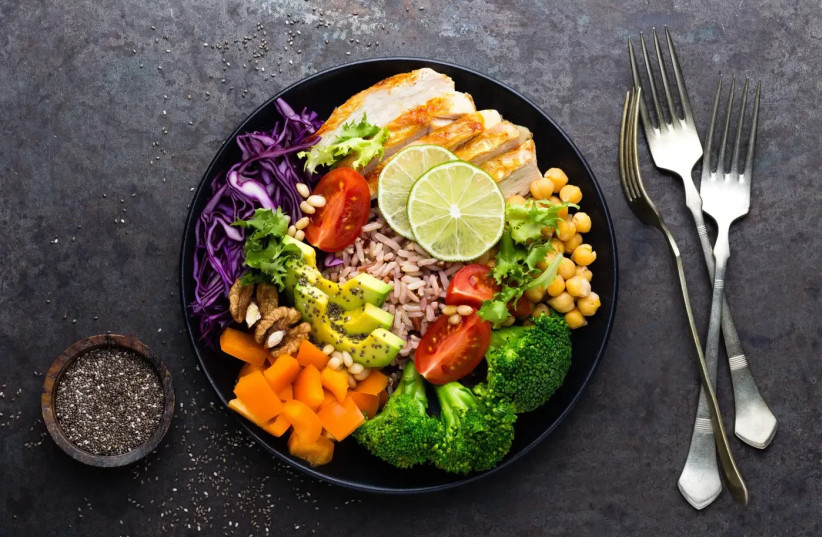
A rich salad of soybeans, broccoli, orange pepper, onion, avocado and cashews in an olive oil and lemon dressing. A meal low in carbohydrates, but rich in protein, phytoestrogens and vitamin C.
Nutrition in old age
From the age of 65 and above, there is a natural decline in the body’s reserves, mainly in bone, muscle and heart function, alongside cognitive decline at more advanced ages. Proper nutrition can help preserve these systems.
What is important to pay attention to?
• Protein: Essential for maintaining muscle mass. It is recommended to include protein in every meal: Eggs, dairy products, chicken, fish and legumes.
• Calcium and vitamin D to prevent a decrease in bone density. Sources: Dairy products, green vegetables, tahini, sardines. It is recommended to check vitamin D levels and supplement as needed.
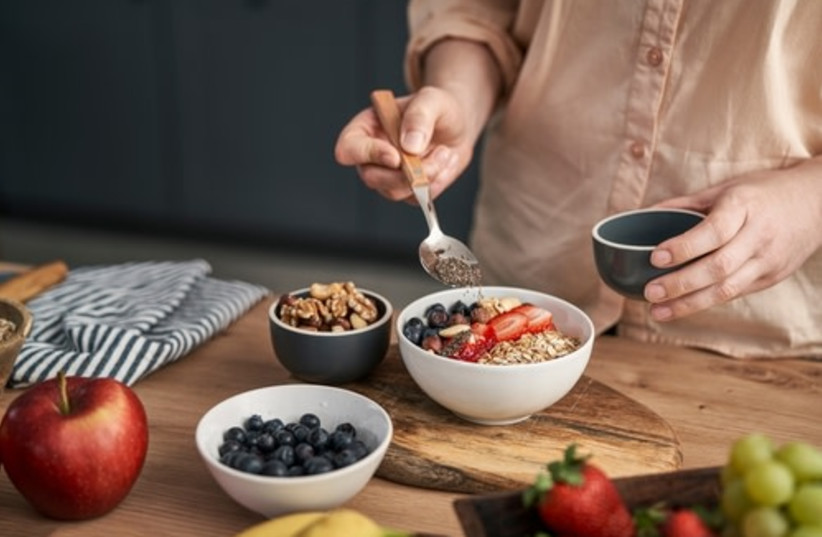
• Polyphenols: Have anti-inflammatory and antioxidant effects, and studies have found that they may contribute to improving cognitive abilities. Found in berries, strawberries, grapes, leafy vegetables, cocoa, tea, tomatoes and more.
Recommended meal
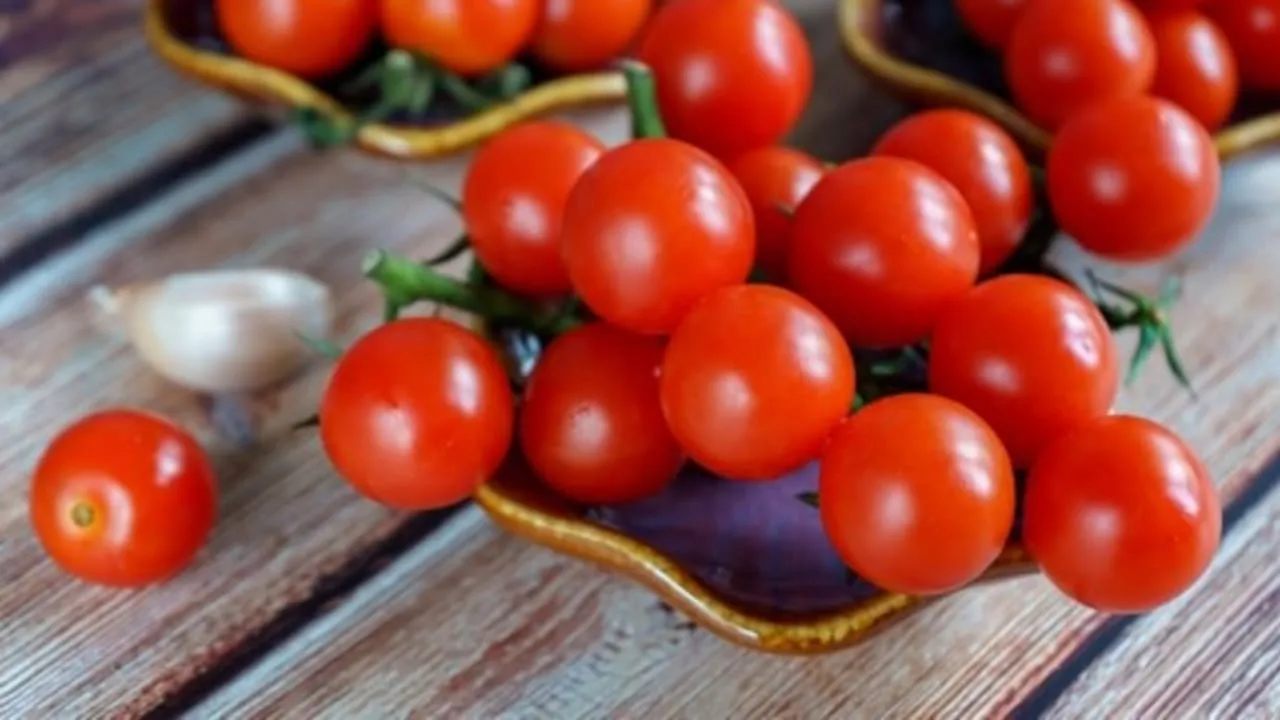
2 slices of whole grain bread with an egg and 5% cheese spread and slices of Magi tomato – A combination of protein, calcium and lycopene. And along with the adaptation to the different stages, there are basic principles that are important to maintain at any age: Maintaining a healthy body weight, regular physical activity and a Mediterranean diet that many studies have found to be associated with longevity and a reduced risk of diseases.
Galit Snir is a clinical dietitian at Hazera company