

Jerusalem Post
ByDR. SHAHAR BAR
What is osteoporosis and how it begins long before you think of seeing a doctor. Dr. Shahar Bar explains how to identify the risk factors and maintain a strong skeleton over the years.
Osteoporosis can begin as early as age 35. At this age, the rate of bone breakdown gradually exceeds the rate of its construction. The bone becomes porous, fragile, and more vulnerable, and the risk of fractures, especially in the areas of the spine, wrist, and femoral neck, increases significantly. In the early stages, the process is not painful, and sometimes, the first fracture is the first clinical sign indicating the condition.
Women begin to lose bone mass between the ages of 50 and 60 with the cessation of menstruation (menopause) and the decrease in estrogen that protects the skeleton. They lose 2% to 3% of bone mass each year and essentially begin osteopenia (the pre–osteoporosis stage).
In men, by contrast, there is a moderate and steady decline in testosterone. Therefore, the disease manifests in the mid–60s and age 70, at which point bone loss between men and women equals out.
Our lifestyle habits directly affect bone health: High salt consumption, chronic stress, poor sleep, and a lack of physical activity accelerate the loss of bone mass and impair calcium absorption. In addition, smoking, high alcohol consumption, and increased drinking of cola beverages have been linked in studies to a decrease in bone density and an increased risk of osteoporosis and fractures.
A family history of osteoporosis or a hip fracture in a first–degree relative increases the risk of the disease, as does a low body mass (below BMI 19), which usually indicates a smaller bone reservoir. In addition, prolonged use of certain medications, including cortisone and prednisone, heartburn medications, certain antidepressants, and medications for diabetes, may impair bone health. Chronic diseases such as celiac, Crohn's, colitis, and kidney diseases can also disrupt the absorption of nutrients and the mineral balance in the body, thereby accelerating the process of bone thinning.
Osteoporosis (credit: SHUTTERSTOCK)
The good news: It is possible to slow down the process
Proteins form a central component in the structural coating of the bone and in maintaining the muscle mass that supports the skeleton. Enriched dairy products in the supermarket contain a high amount of protein and available calcium. The required amount is 1 mg per kilogram of body weight.
Advertisement
The recommended calcium consumption at this age ranges around 1,000 to 1,200 milligrams of calcium per day, but it is recommended to suffice with even 600 milligrams, because the rest of the amount comes from the daily diet. This also avoids an excess of calcium in the blood, which can cause severe constipation and abdominal discomfort and can also lead to an increased risk of kidney stones and cardiovascular diseases.
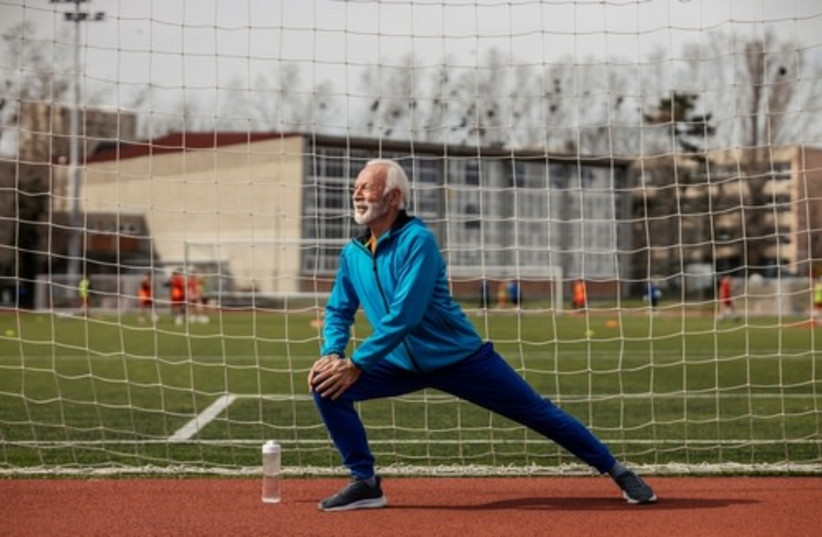
The bone needs physical signals to absorb these nutrients and build new tissue. Aerobic training such as swimming or cycling is not enough. There is a need for resistance training (lifting weights, using rubber bands, or bodyweight exercises) along with activities that cause the body to cope with its own weight, such as brisk walking, climbing stairs, or light running, three to four times a week.
The two vitamins that help calcium absorb into the body
Vitamin D, responsible for the absorption of calcium in the intestine and its transfer to the skeleton, is essential for building the skeleton. 600 to 800 international units (IU) of the vitamin per day are the recommended amount for daily consumption.
Vitamin K2 also activates special proteins that bind calcium into the bones, preventing it from depositing in the blood vessel walls and creating arterial calcification. It is found mainly in foods such as hard cheeses, egg yolk, and fermented foods.
Prevention is the best strategy for treating the disease. Therefore, a combination of a balanced and controlled diet, bone–building physical activity, and avoiding harmful habits like smoking and excessive alcohol consumption constitutes the best defense strategy. Above the age of 50, it is recommended to consult with the family doctor regarding the need to perform a bone density test (DEXA), especially if additional risk factors exist, such as a family history or a particularly thin body structure. Early diagnosis of an initial decline in bone mass (osteopenia) allows for effective intervention and maintains a strong, stable, and vital skeleton for years to come.
The author is the director of the geriatric department at the Medical Care Integrative Rehabilitation Hospital in Bat Yam.