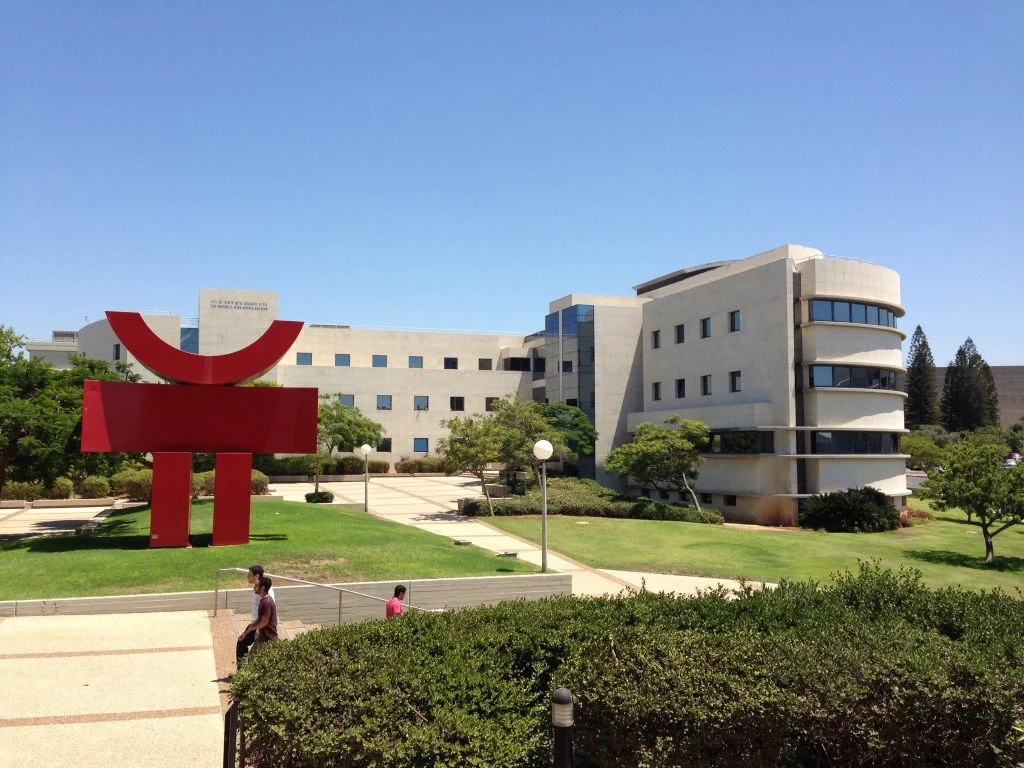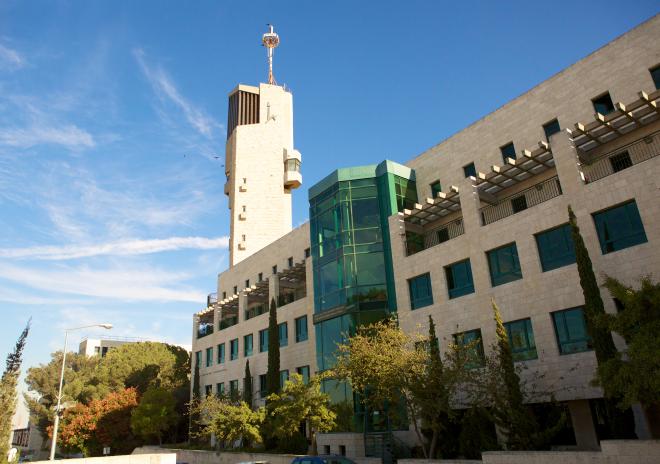


Researchers from the Hebrew University of Jerusalem have found that the most destructive storms caused by atmospheric rivers can be reliably predicted.
Atmospheric rivers are long, narrow corridors in the troposphere that transport enormous volumes of water vapor. A new study published in the journal Weather and Climate Extremes found that these systems are responsible for the heaviest rainfall in the western Iberian Peninsula.
On average, the presence of a "heavenly river" increases precipitation intensity by 36%. This effect is due not only to the overall amount of moisture in the air, but also to strong winds in the lower layers of the atmosphere, which direct water flows toward the coast.
Analyzing atmospheric systems, scientists have concluded that the stronger the storm, the less chaos it exhibits. The heaviest rainfall in Portugal is generated by deep, well-structured cyclones over the North Atlantic.
These systems leave distinct signals in the atmosphere that are reliably detected in modeling. Precipitation rates in such reliably predictable events are 80% higher than those in chaotic and weaker storms.
The December 2022 floods in Portugal served as a prime example of this pattern. A powerful atmospheric river created extreme conditions that were reliably predicted. Improved methods for detecting atmospheric rivers, combined with analysis of atmospheric dynamics, will significantly improve the accuracy of early warnings for natural disasters worldwide.
"It turns out that the atmosphere signals the most dangerous events most clearly. If a large-scale structure is strong and organized, it becomes clearly visible," the authors emphasize . The scientists write that the atmosphere doesn't always hide its intentions; sometimes it announces them loudly and clearly, giving people a chance to prepare for the onslaught of disaster.