

Jerusalem Post
ByDORON KUPERSTEIN
A new Israeli study found that a flower arranging workshop helped cancer patients cope with the disease, eliminated pain, reduced stress, and strengthened their sense of connection to life.
In the world of oncology, success is traditionally measured primarily through survival rates, response to treatments, and life expectancy after diagnosis. Yet alongside these crucial medical metrics, there is another aspect that sometimes receives less attention: The quality of life of the patients themselves.
Even when dealing with diseases that have relatively high survival rates, such as breast cancer and prostate cancer, many patients face a significant psychological burden, anxiety, depression, fatigue, and sleep disturbances. Now, a new Israeli study suggests that a creative and relatively simple activity might actually assist in coping with these challenges.
The study, which will be presented at the annual conference of the National Institute for Health Policy Research on June 10, 2026, in Tel Aviv, examined the impact of a flower arranging workshop on the quality of life of oncological patients, and yielded particularly encouraging findings.
Even when surviving, the mind continues to cope
Breast cancer and prostate cancer are currently considered diseases with high survival rates. In developed countries, more than 10% of women diagnosed with breast cancer and about 98% of men diagnosed with prostate cancer live at least five years after diagnosis.
However, behind these encouraging statistics lies a far more complex reality. Studies show that about 15%–25% of women with breast cancer cope with depression during the illness. Many of them also suffer from anxiety, fatigue, and sleep disturbances. A decline in emotional well-being is also evident among men with prostate cancer. Hormonal treatments and physical changes can affect mood, cognitive function, and quality of life, and sometimes even lead to an increase in depression rates.
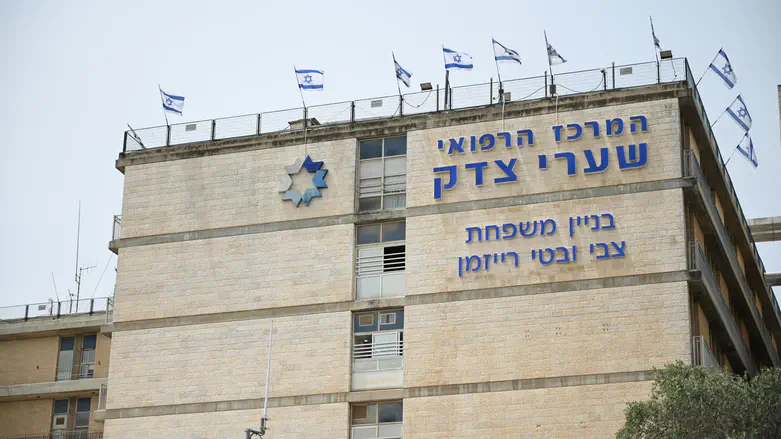
The gap between the success of medical treatments and the psychological difficulty led Noa Fox, an oncology nurse at the Shaare Zedek Medical Center, along with Dr. Ahuva Spitz and Dr. Adi Finkelstein from the Jerusalem College of Technology, Tzofit Rosen, and Irit Mor, to examine an unconventional intervention: A flower arranging workshop.
12 sessions with flowers – and a big change
The study included 28 patients, among them 21 women with breast cancer and seven men with prostate cancer. All participants received hormonal treatment and participated in 12 weekly sessions of a flower arranging workshop led by a professional florist.
In each session, participants learned different arranging techniques using natural flowers, with an emphasis on creative expression, tranquility, and motor practice.
The researchers measured the quality of life at three time points: Before the start of the workshop, immediately upon its conclusion, and following a follow–up period of 7–10 weeks. Additionally, focus groups were conducted about a month after the activity ended.
"During the workshop I felt no pain"
The findings showed that after the 12 sessions, there was a significant improvement in the general health index and quality of life of the participants.
Among the men, a significant improvement was found in coping with symptoms related to hormonal treatment, and this improvement was even maintained during the later follow–up phase. Among the women, the indexes remained stable, but personal testimonies revealed a deep and meaningful impact.
The participants described the workshop as a kind of "yoga for the soul" and shared that it allowed them to disconnect for a moment from the illness and reconnect with life. The responses written by the patients included the following sentences:
• "During the workshop I felt no pain"
• "I went back to believing in myself"
• "I did not occupy myself with the illness and it helped"
• "It helped me focus on the good"
• "It gave me strength, hope, and optimism"
Why flower arranging of all things?
According to the researchers, the answer relates to the combination of creativity, contact with nature, motor activity, and a sense of achievement.
Previous studies have already shown that spending time in a green environment can reduce stress and improve mood. Creative activity, for its part, aids emotional expression and encourages a sense of capability.
"After October 7, I was looking for something for the soul and registered for a flower arranging workshop," says Fox. "I saw that it truly helped me and I wanted to check how it could help cancer patients as well. In the professional literature, there were almost no studies on this."
The researchers emphasize that cancer is not just a physical disease. For many of the patients, it is also a profound emotional crisis, accompanied by fears, uncertainty, and sometimes even post–traumatic symptoms.
Against this background, there is growing recognition of the importance of complementary interventions as part of the comprehensive therapeutic envelope.
Although this is a relatively small study without a control group, the combination of quantitative data and the personal testimonies of the participants points to significant potential.
The researchers conclude that a flower arranging workshop could serve as an effective support tool for oncological patients, especially for men receiving hormonal treatment, and recommend integrating similar activities as part of the integrative care envelope for cancer patients.
And perhaps one of the most interesting findings relates specifically to the men. Despite the difficulty in recruiting them for the study, those who participated derived great benefit from it.
"We had difficulty recruiting men for the study, but those who participated enjoyed it very much and to this day ask me when there will be another workshop," says Fox.