
January 20, 1990: A Tragedy that forged a Nation’s Resolve
DND Special Article on January 20, 1990, tragedy that took place in Azerbaijan
Great nations do not forget their heroes, their tragedies, or their victories. They preserve them not merely as memories of the past, but as moral compasses guiding their future. Azerbaijan stands among such nations.
Each year, the Azerbaijani people solemnly commemorate the tragedy of January 20, 1990; an event etched in blood and sacrifice, remembered as both a day of profound sorrow and enduring national pride.
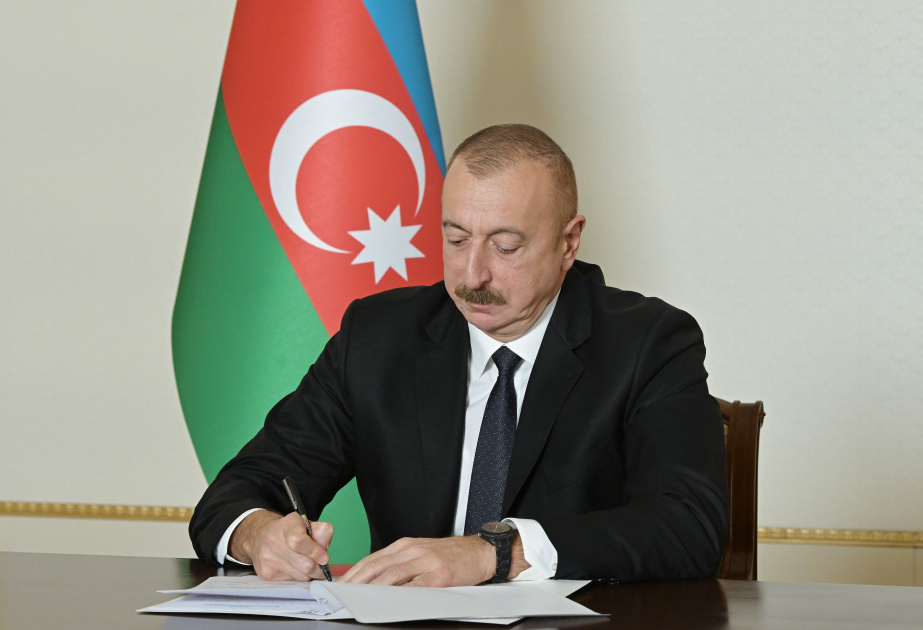
On the occasion of the 20 January tragedy, President of the Republic of Azerbaijan Ilham Aliyev shared a message on his social media accounts, stating: “May Allah rest the souls of all our martyrs in peace.”
These simple yet powerful words echo the collective grief and reverence of a nation that continues to honor those who gave their lives for freedom and independence.
Every year, Azerbaijan marks National Mourning Day with deep respect. Across the country and abroad, memorial events are organized to pay tribute to the victims of what has come to be known as “Black January.” State and government officials, leaders of religious communities, ambassadors of foreign countries accredited to Azerbaijan, and representatives of international organizations stand alongside ordinary citizens to honor the martyrs. On this day, political, social, and ideological differences dissolve, replaced by a shared sense of remembrance and unity.
At the heart of the commemoration lies the Alley of Martyrs in Baku, a sacred site symbolizing sacrifice and resistance. The leadership and people of Azerbaijan visit the alley to lay flowers on the graves of those who fell for the motherland. Thousands gather each year, offering prayers for the souls of the martyrs, silently reaffirming their commitment to the values for which these men and women gave their lives. Similar ceremonies are held in cities and districts across the country, including Agjabedi, Barda, Bilesuvar, Gakh, Guba, Jalilabad, Ismayilli, and many others. Memorial marches and public gatherings reflect the nation’s collective memory and enduring gratitude.
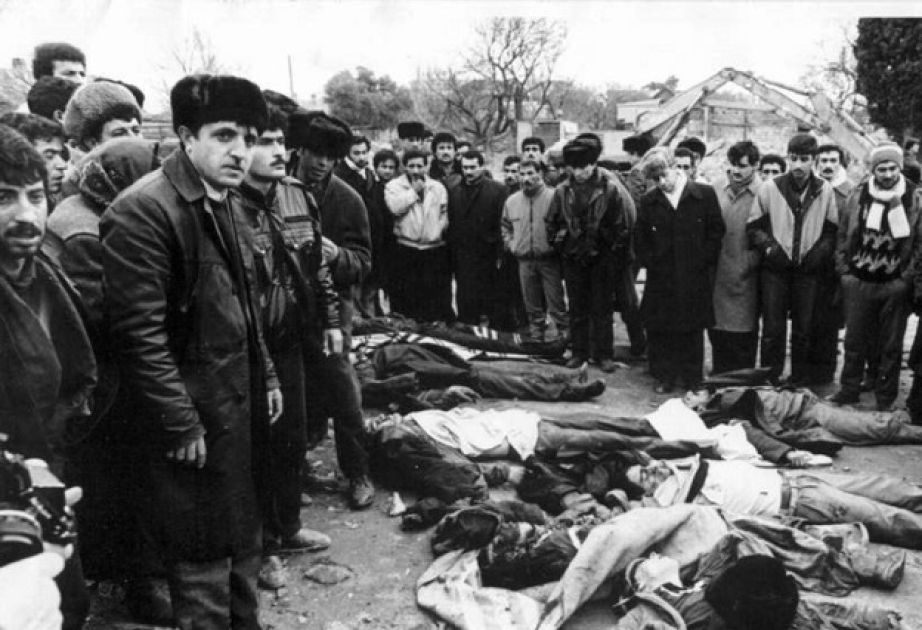
The tragedy itself remains one of the darkest chapters in Azerbaijan’s modern history. On the night of January 19–20, 1990, military units of the former Soviet Union attacked the civilian population of Baku from both land and sea. Tanks rolled through the streets, troops opened fire on unarmed civilians, and an unprecedented crime against humanity unfolded. As a result, 132 innocent civilians were killed, 744 were injured, and 841 were illegally arrested. Among the victims were women, children, and elderly people, ordinary citizens whose only “crime” was their desire for dignity and self-determination.
This brutal assault was carried out on the orders of then-President of the USSR, Mikhail Gorbachev, and stands as a stark reminder of the moral bankruptcy of a regime willing to use overwhelming force against its own people. The events of that night are written in the history of humankind in bloody letters, serving as a warning of what happens when power is divorced from justice and accountability.
The roots of the tragedy can be traced to the late 1980s, a period marked by the Soviet Union’s increasing disregard for Azerbaijan’s rights and sovereignty. Armenia’s illegal territorial claims against Azerbaijan, the deportation of hundreds of thousands of Azerbaijanis from their ancestral lands in present-day Armenia, and the incitement of ethnic unrest to support separatist activities in the Garabagh region fueled widespread anger and resistance. These injustices accelerated the rise of the national independence movement in Azerbaijan, as people demanded an end to oppression and discrimination.
In an attempt to forcibly suppress this movement, Soviet military units and internal troops launched coordinated attacks not only in Baku but also in Sumgayit, Lankaran, and Neftchala. According to documented accounts, the military aggression claimed the lives of approximately 150 citizens, wounded 744 others, and left several people missing. The intention was clear: to crush the Azerbaijani people’s aspirations for freedom through terror and violence. Instead, the brutality strengthened their resolve.
A pivotal moment came on January 21, 1990, when National Leader Heydar Aliyev, speaking at the Permanent Mission of Azerbaijan in Moscow, broke through the Soviet regime’s information blockade. At great personal risk, he exposed the truth about the massacres to the international community, condemning the crime committed against the Azerbaijani people. His courage ensured that the tragedy would not be buried under propaganda and silence, but recognized as a grave injustice demanding historical judgment.
The January 20 tragedy had a decisive impact on shaping Azerbaijani national identity. It marked a turning point in the struggle for independence and demonstrated the people’s unwavering devotion to their historical traditions of resistance. Those who sacrificed their lives on that tragic night left behind a legacy of courage and dignity. January 20 thus occupies a unique place in Azerbaijan’s history; as a day of mourning, but also as a symbol of national awakening and pride.
Following the return of Heydar Aliyev to power, the Azerbaijani state took decisive steps to ensure that the tragedy was officially recognized and condemned. At a special session of the Milli Majlis in February 1994, the brutal killing of innocent civilians on January 20, 1990, was formally qualified as military aggression and a crime. In March 1994, a parliamentary decision titled “On the tragic events committed in Baku on 20 January 1990” was adopted, restoring historical justice and honoring the martyrs at the state level.
Despite enduring decades of aggression, including the occupation of its territories by Armenia for nearly 30 years, Azerbaijan never abandoned its principles or its struggle. The 44-day Patriotic War proved to be a defining moment, resulting in the complete restoration of the country’s territorial integrity. It sent a powerful message to the world: proud nations do not bow down to injustice, and history ultimately favors those who stand firm in defense of their sovereignty.
Today, the memory of January 20 continues to unite Azerbaijanis around the world. It serves as a reminder of the price of freedom and the responsibility to safeguard independence for future generations. The staff of DND News Agency Pakistan stand in solidarity with the people of Azerbaijan in observing the tragic events of January 20, 1990, honoring the martyrs whose sacrifice forged a nation’s unbreakable resolve.