
Jerusalem Post
ByDR. MAYA ROSMAN
Potassium is vital for heart, muscle, and nerve health, but too much can be dangerous. Learn who is at risk, how to cook it safely, and how to keep a healthy balance.
When we think of minerals essential for our health, most of us immediately think of calcium for bones or iron to prevent anemia. But there is another key element that usually stays behind the scenes – and it is critical for the proper functioning of the heart, muscles, and nervous system: Potassium.
A radio listener asked whether this mineral can become dangerous if consumed in too large an amount.
What happens if you consume too much potassium?
In a healthy body, the kidneys maintain the balance; they know how to regulate excess potassium and efficiently eliminate it through urine. When kidney function is impaired, a condition of excess potassium (hyperkalemia) can become dangerous and even deadly. Blood levels that are too high can cause heart rhythm disturbances, confusion, muscle weakness, paralysis, and in extreme cases – cardiac arrest.
But who is in the risk group for excess?
People with chronic kidney disease: Even at relatively mild stages, the body's ability to eliminate the mineral decreases.
People taking certain medications: Mainly blood pressure medications that cause potassium retention in the body.
People with diabetes: Especially those with kidney complications (diabetic nephropathy).
Use of potassium supplements: Taking them without a clear medical need and monitoring.
Consumption of salt substitutes: Sometimes these substitutes are based on potassium chloride instead of sodium.
If you belong to any of these groups, it is recommended to consult a doctor or dietitian before increasing the amount of fruits, vegetables, or legumes in your diet.
Should a healthy person worry?
In most cases – no. People with healthy kidneys who receive potassium from whole foods (and not concentrated supplements) are not at risk, as the body can naturally balance the levels.
Cooking methods: How to influence the amount of the mineral
Potassium is a water-soluble mineral, which allows us to "play" with its amount in food according to health needs:
To reduce the amount:
Soaking chopped vegetables in warm water and then boiling them significantly reduces the potassium content. This method is recommended for those who need to limit their intake. In such cases, it is important to discard the cooking water.
To preserve the amount:
Steaming, baking, and roasting retain most of the potassium in the food.
And why is it so essential?
Despite concerns about excess in illness, potassium is extremely vital. It plays a critical role in maintaining normal blood pressure by balancing the effect of sodium, is essential for nerve signal transmission, crucial for heart activity (maintaining a regular rhythm), and helps maintain fluid balance inside cells. A deficiency can cause fatigue, muscle weakness, constipation, and even heart rhythm complications.
How much do we need and where is it found?
Daily recommendations for adults usually range between 3,500 and 4,700 mg. Although it is common, surveys show that many do not reach this amount due to low consumption of fruits and vegetables.
Foods particularly rich in potassium (mg per average serving):
Medium baked potato – about 900 mg
Cooked spinach (1 cup) – about 850 mg
Cooked lentils (1 cup) – about 730 mg
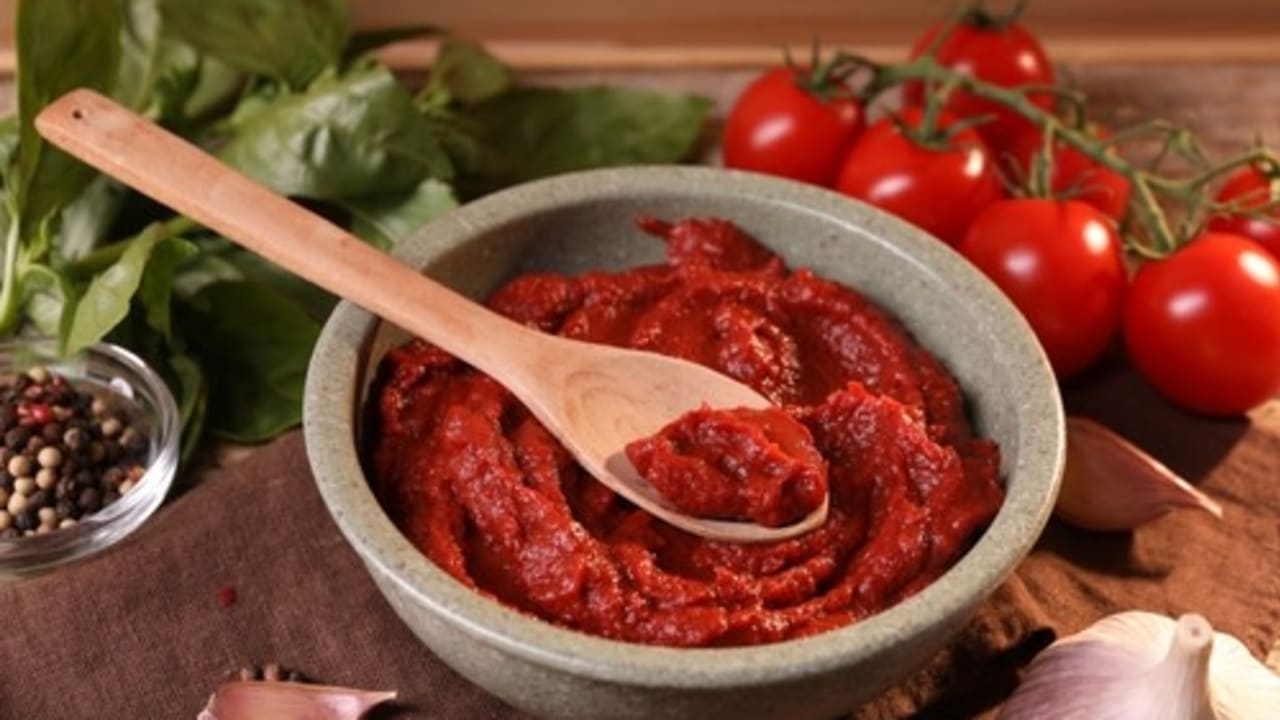
Tomato paste (1/2 cup) – about 550 mg
Natural pomegranate juice (1 cup) – about 530 mg
Avocado (1/2 fruit) – about 500 mg
Steamed broccoli (1 cup) – about 450 mg
Medium sweet potato – about 450 mg
Medium banana – about 420 mg
Note: Fruit juices are also rich in potassium, but they contain high sugar and lack the dietary fibers of whole fruit, so it is always better to consume the mineral from food in its natural form.
For Dr. Maya Rosman's course: How to improve health and lose weight in a reasonable and sensible way, click here.
For Dr. Maya Rosman's newsletter, articles on nutrition and health, advice and tips for improving health, and nice recipes, free of charge, click here.