
Jerusalem Post
ByDORON KUPERSTEIN
We all know that salmon contains a substantial amount of omega-3, a fat that is very important for heart, brain, and eye health. But there are foods that contain the same amount or even more.
Omega-3s have long been considered one of the most important groups of fats for health. They are essential fats with anti-inflammatory properties that support the health of the heart, brain, eyes, and metabolic system. Since the body does not produce enough omega-3 on its own, we must obtain them from food.
When it comes to omega-3, salmon is almost always the star. And for good reason: A cooked 85-gram serving of salmon provides about 1,800 mg of omega-3, mainly in the forms of EPA and DHA – the most active and studied forms of these fatty acids. But despite its reputation, salmon is not the only source – there are other foods that contain a similar or even higher amount of omega-3.
It’s important to understand: There are three main types of omega-3:
• ALA (alpha-linolenic acid) – found in plant sources
• EPA and DHA – mainly found in fatty fish and seafood
• The body can convert ALA to EPA and DHA, but at a limited rate
So which foods can compete with salmon – and how can they be incorporated into your daily diet?
Walnuts: Omega-3 Ready Without Cooking
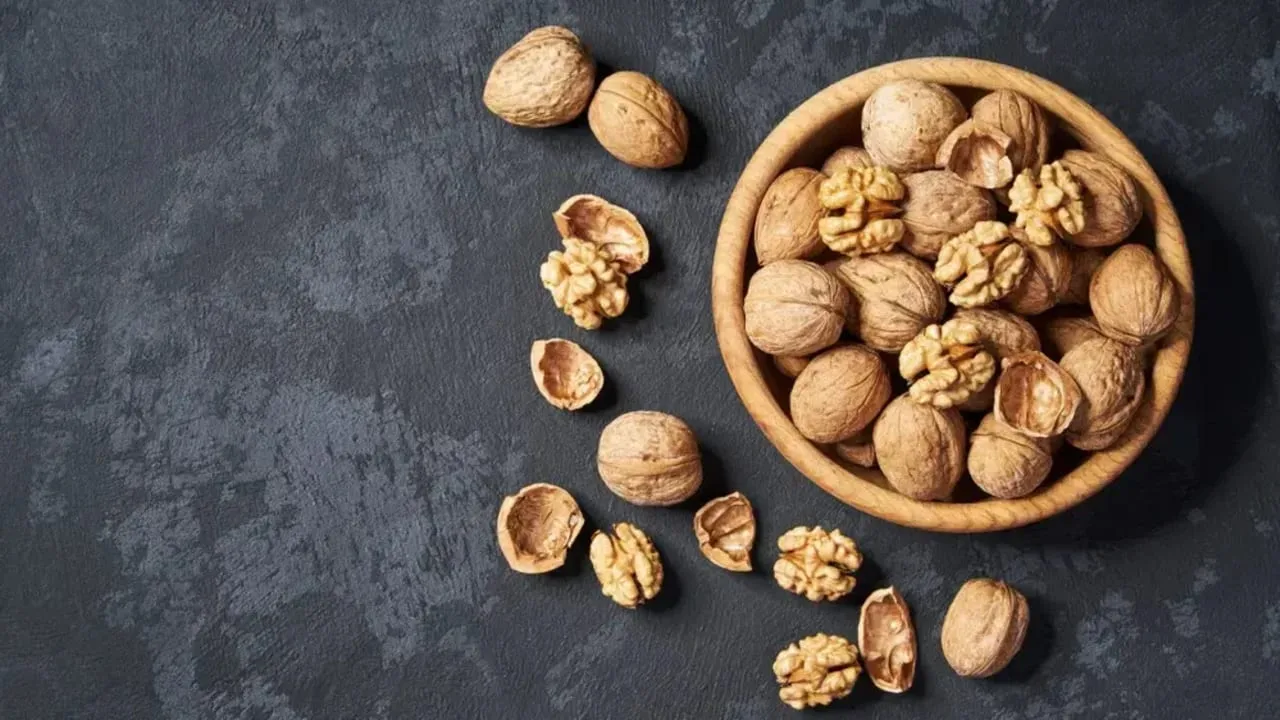
Walnuts are one of the richest plant sources of omega-3. A 28-gram serving contains about 2,500 mg of ALA – more than the total amount in salmon. Although this is the plant form of omega-3, research suggests that ALA may contribute to brain health and reduce the risk of type 2 diabetes.
According to nutritionist Sharniquia White, walnuts stand out for their convenience and versatility: They can be eaten as a snack, added to salads, porridge, or sweet and savory dishes – no cooking required. They are also the only nut considered a significant source of ALA.
Chia Seeds: Tiny Nutritional Powerhouse
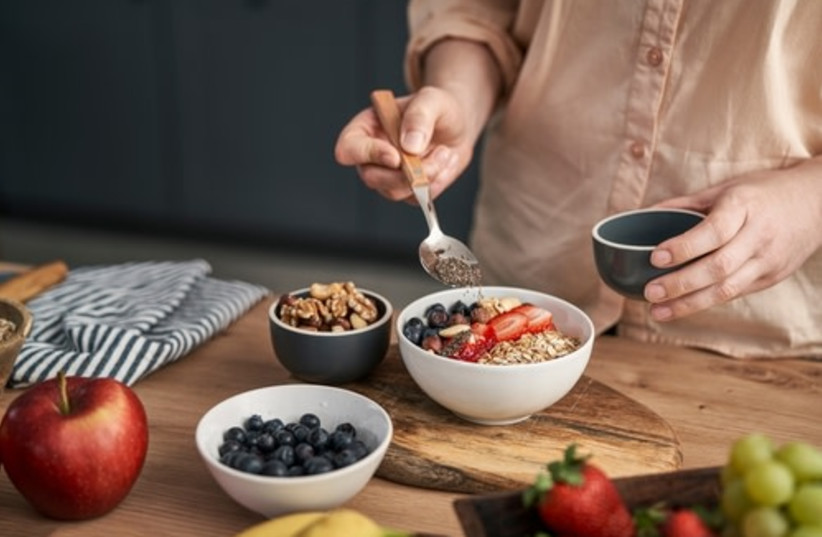
Chia seeds are perhaps one of the most impressive foods nutritionally. One tablespoon provides a particularly high amount of omega-3, and a 28-gram serving contains about 5,000 mg of ALA – almost three times that of salmon.
According to nutritionist Wendy Bazilian, chia seeds are also particularly sustainable. They can be added to yogurt, smoothies, oatmeal, chia pudding, and even sauces. Chia oil itself is a concentrated source of omega-3 with a mild flavor, suitable for seasoning vegetables.
Mackerel: Fatty with Nutritional Advantage
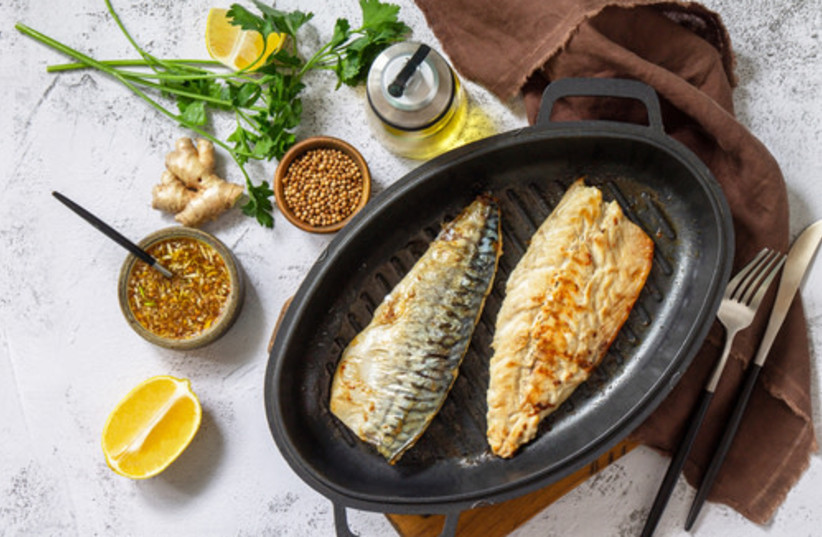
Mackerel is one of the fish richest in EPA and DHA omega-3. An 85-gram serving of mackerel provides about 2,133 mg of these fatty acids – more than the same amount of salmon.
Nutritionist Elana Natker explains that EPA and DHA are particularly linked to heart, brain, and vision health, and are also important during periods such as pregnancy. Moreover, mackerel is considered more accessible economically and in many cases more environmentally friendly. It can be grilled, baked, or smoked, adding depth and flavor to meals.
Herring: Small, Fatty, and Surprising
Herring is a small, fatty fish common in many cuisines around the world – sometimes pickled, smoked, or fresh. An 85-gram serving provides about 1,700 mg of EPA and DHA, a figure very close to salmon.
Beyond omega-3, herring also contains vitamin D, selenium, and vitamin E – an important antioxidant that supports immune function and protects cells. Although it is less “trendy” than salmon, it is a nutritionally dense food with high health value.
Hemp Seeds: Ideal Fat Balance
Hemp is used as oil and seeds. Hemp seeds are an excellent source of balanced plant protein containing all amino acids. They are considered one of the best plant sources of protein, easy to digest and absorb, rich in fiber, chlorophyll, vitamins, omega-3, and essential fatty acids. Worldwide, products from hemp seeds include hulled seeds, seed milk, and natural protein powder. In Israel, at this stage, only the oil extracted from the seeds is allowed for consumption.
Hemp seeds (cannabis) contain about 2,600 mg of ALA in three tablespoons. They provide a balanced omega-3 to omega-6 ratio – a ratio considered ideal for human health.
In addition, hemp seeds are rich in protein, magnesium, zinc, and iron, and their mild nutty flavor allows for easy incorporation into salads, smoothies, yogurt, and baked goods. They are suitable for both plant-based and mixed diets.
One tablespoon of chia seeds provides a particularly high amount of omega-3 (credit: SHUTTERSTOCK)
How Much Omega-3 Do You Really Need?
Recommendations vary by age, sex, and health status. For ALA, the daily recommendation is about 1.1 grams for women and 1.6 grams for men.
For EPA and DHA – there is no single official guideline for the general population, but for people with coronary heart disease, the American Heart Association recommends about 1 gram per day, preferably from fatty fish.
Studies suggest that consuming about 3 grams of EPA and DHA per day may help balance blood pressure, and more than 2 grams per day can reduce triglyceride levels. However, needs may vary during different life stages, such as pregnancy or chronic illness.
Bottom line – salmon is indeed an excellent source of omega-3, but it is not the only one. Combining sources from the sea and plants allows for dietary variety, adaptation to personal preferences, and sometimes even economic savings. Instead of focusing on a single food, experts recommend building a varied diet that provides essential fats in multiple ways.