
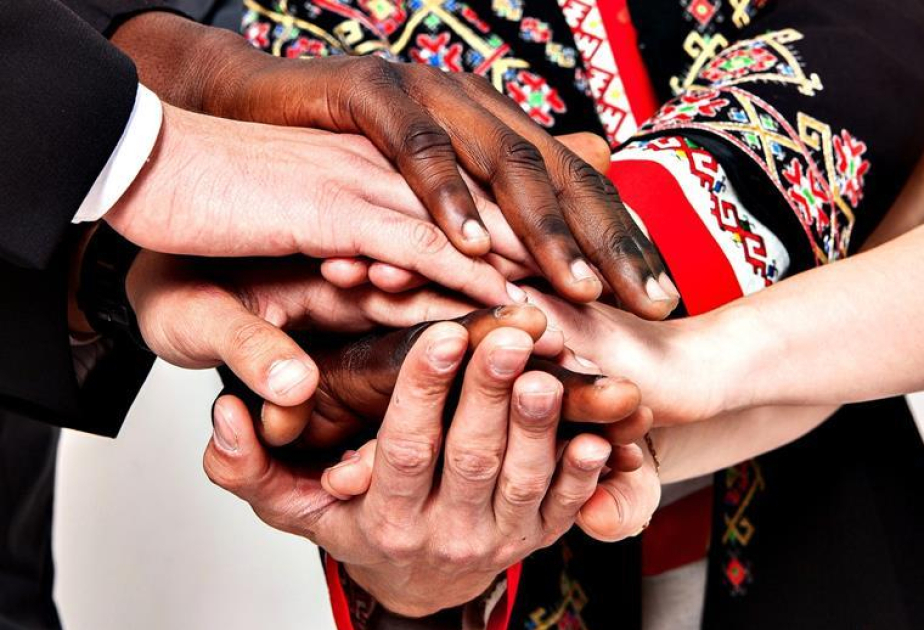
February fourth is International Day of Human Fraternity, with this year’s theme “Dialogue Over Division” calling on all of us to put dialogue over division, according to the UN official website.
It reminds us that we belong to one human family: diverse in culture and belief; equal in dignity; stronger when we choose respect over suspicion. At a time of growing tensions and polarization, human fraternity is not only an ideal; it is a practical commitment to live together peacefully and to protect the rights and dignity of every person.
This year’s theme calls on all of us to put dialogue over division. Dialogue does not mean we must agree on everything. It means we listen with care, speak with responsibility, and recognize each other’s humanity. Especially when we feel afraid, angry or uncertain. It also means rejecting discrimination, racism, xenophobia, and hate speech. It means creating spaces — online and offline — where differences can be discussed without turning into harm.
We must all remember that human fraternity begins in everyday life: in how we treat neighbors, classmates, colleagues and strangers; in how we share information; in how we respond when someone is targeted because of identity or belief. Each of us can help build stronger, more inclusive communities by: challenging stereotypes; standing up for dignity and inclusion; learning about other cultures and faith traditions; supporting local efforts that bring people together. Small choices, repeated every day, can strengthen the bonds that help societies stay peaceful and resilient.
Human fraternity for peace and cooperation is grounded in a simple recognition: people of all religions and beliefs make a valuable and lasting contribution to humanity. Dialogue among religious and belief communities can deepen understanding and highlight shared values. Promoting awareness of different cultures, religions and beliefs helps foster tolerance that is rooted in respect, inclusion and acceptance of diversity, including the free expression of religious identity.
Education plays a vital role in nurturing these principles and in preventing discrimination based on religion or belief. Tolerance, mutual respect and living well with differences are essential to human fraternity and social harmony, which is why interreligious and intercultural dialogue matter at every level: global, regional, national and local.
The United Nations General Assembly proclaimed the fourth of February as the International Day of Human Fraternity, with resolution 75/200.






.jpeg)