
Jerusalem Post
ByGALIT SNIR, CLINICAL NUTRITIONIST
Healthy skin is one of the most sought-after goals. While creams, treatments, and injections flood the market, what we put into our bodies is just as important as what we apply to our faces.
The skin is a tissue with high metabolic activity that serves as a protective layer for internal organs. It is exposed to changes such as dryness, sun damage, inflammation, and oxidative stress—processes that accelerate aging. Numerous studies indicate a strong link between proper nutrition and skin health. Here are six simple, accessible, and tasty foods that can naturally help maintain skin health, and they are likely already in your kitchen:
Bell Pepper: A Vitamin C Powerhouse
Fresh bell peppers are one of the richest sources of vitamin C, an essential component for collagen production and stabilization. A deficiency in vitamin C can lead to decreased collagen production. Moreover, as we age, collagen production declines, making vitamin C intake even more significant. One bell pepper provides more than twice the recommended daily amount.
Tip: Try an orange bell pepper—it has a sweet, mild flavor and adds color to salads. To get the most vitamin C, it’s best to cut and eat it immediately.
Tomato: The Lycopene Queen
Tomatoes are a primary source of lycopene, a powerful antioxidant shown to reduce redness and sun damage. Additionally, studies have found that when skin is exposed to sun radiation, lycopene is destroyed and its levels decrease, highlighting its role in reducing oxidative damage. Tomatoes also contain vitamin C, which is important for the skin.
Tip: Lycopene is not destroyed by cooking; it even becomes more available. Therefore, to enhance dishes, it is recommended to use flavorful tomatoes, such as Maggi, even in cooked recipes.
Sweet Potato: Rich in Vitamin A
Vitamin A is one of the most important nutrients for skin health. Many therapeutic creams are based on it—so why not just eat it? It is essential for proper skin cell production, differentiation, and maintaining healthy structure. It is found in both animal and plant-based foods. Sweet potato is one of the best sources of beta-carotene, which the body converts into retinol (vitamin A). Other orange foods, such as carrots and citrus fruits, are also rich in it and make a significant contribution to skin health.
Tip: Add a teaspoon of olive oil to sweet potato—it will improve beta-carotene absorption.
Olive Oil: Vitamin E and Healthy Fats
Olive oil helps protect the skin from oxidative damage thanks to its phenolic compounds, along with monounsaturated fats that support the epidermis and are important for skin elasticity. Studies have found that olive oil helps prevent dryness and itching, which are especially common in older age.
Tip: Add 2 tablespoons of olive oil daily. It can also be used topically: apply a few drops to dry or itchy skin and let it absorb.
Salmon: Omega-3
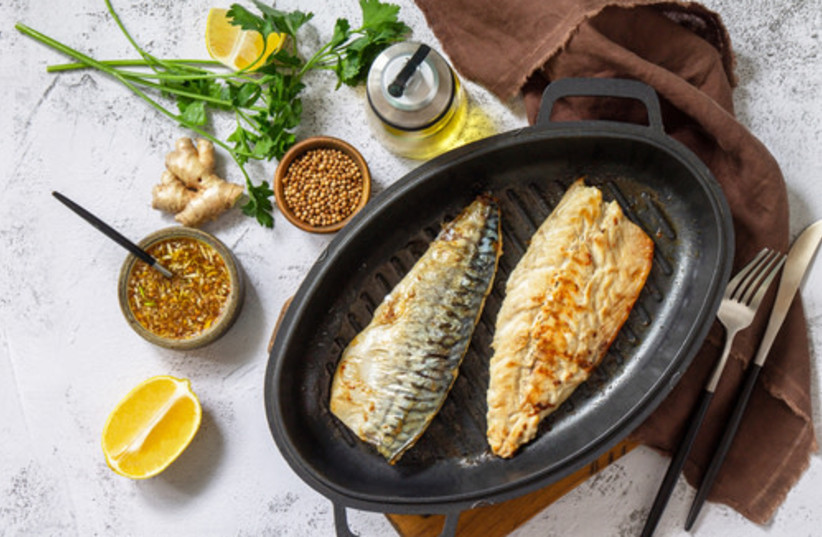
Salmon is an excellent source of omega-3, an essential fatty acid with anti-inflammatory effects. Studies have shown that a deficiency is linked to dryness and reduced skin elasticity. In addition, salmon provides high-quality protein and collagen.
Tip: Omega-3 combined with antioxidants creates a synergistic effect in improving skin repair, hydration, and elasticity, slowing down aging processes.
Berries: Concentrated Antioxidants
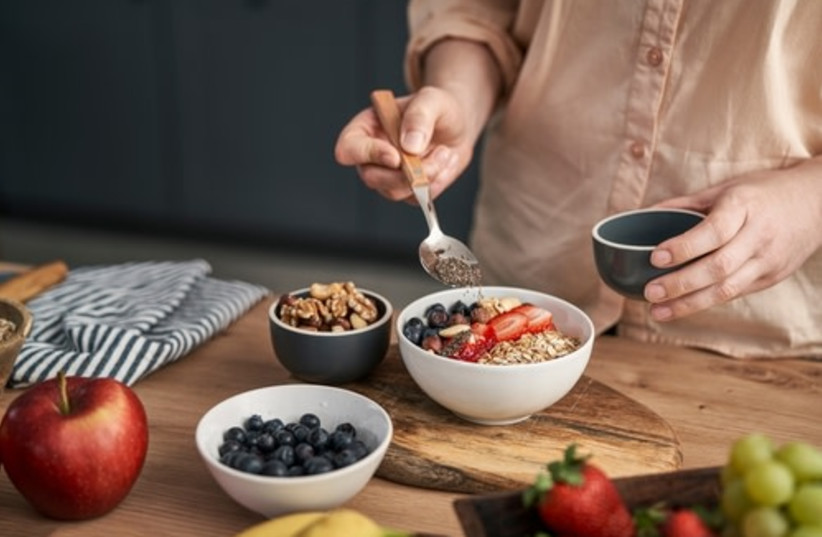
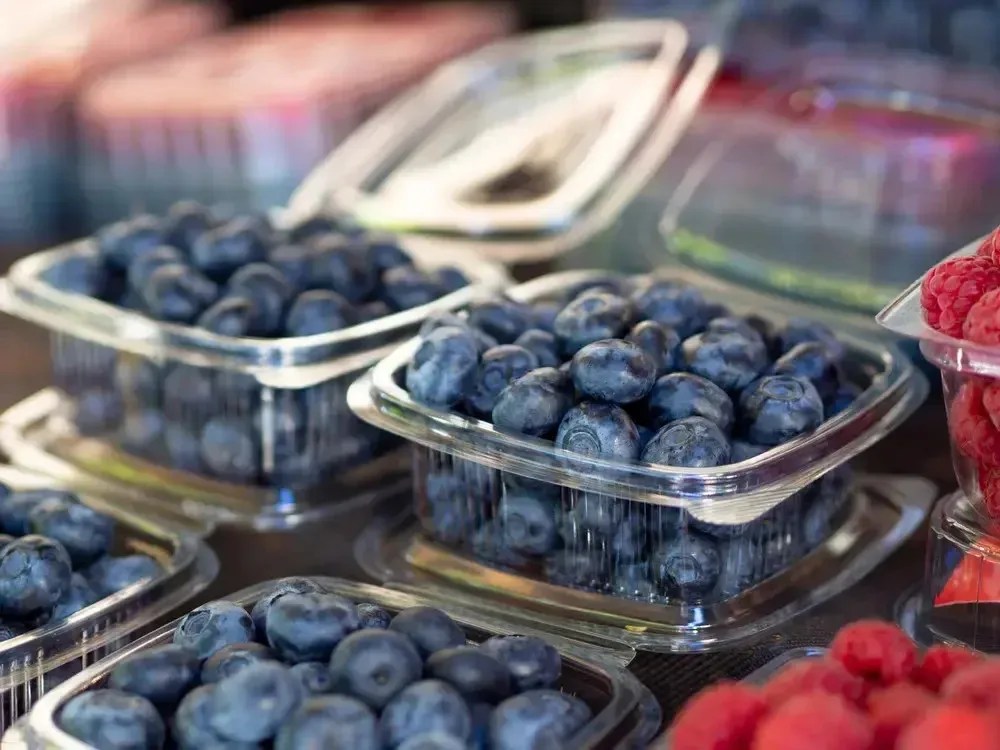
Strawberries, blueberries, and raspberries are especially rich in flavonoids—active antioxidants that protect skin cells. Studies have shown that consuming berries increases levels of collagen and elastin, which are important for skin appearance.
Tip: One cup of berries counts as a serving of fruit. Frozen berries also retain their antioxidant content and are effective.