
Jerusalem Post
ByGALIT SNIR, CLINICAL NUTRITIONIST
The food we eat doesn’t just nourish us, but also the trillions of bacteria living in our digestive system that influence the functioning of the entire body. These are the best foods.
Gut health begins with what we put on our plate every day. The food we eat doesn’t just nourish us, but also the trillions of bacteria living in our digestive system that influence the functioning of the entire body (the microbiome).
Many studies have already shown their importance in improving digestion, strengthening the immune system, influencing mood, brain function, reducing obesity, and the risk of various diseases.
But once we understand how significant the microbiome is for health, the natural question arises: How do we actually influence it? The good news is that it is definitely possible through lifestyle and diet. By consistently choosing the right ingredients, it is possible to create conditions that allow good bacteria to thrive, thus supporting the digestive system and the entire body. The key: Prebiotic foods – foods that nourish good bacteria, and probiotic foods – those that contain good bacteria themselves.
So which foods should be incorporated into the daily routine, and how can this be done easily?
Berries
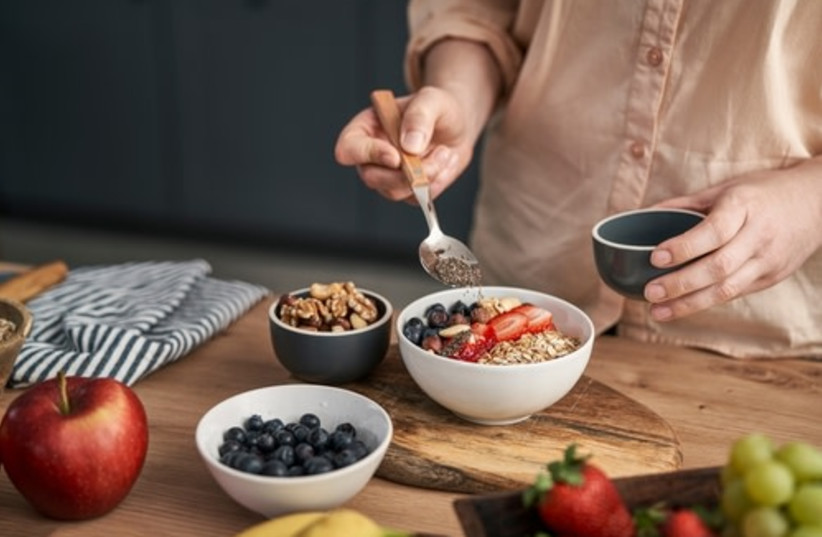
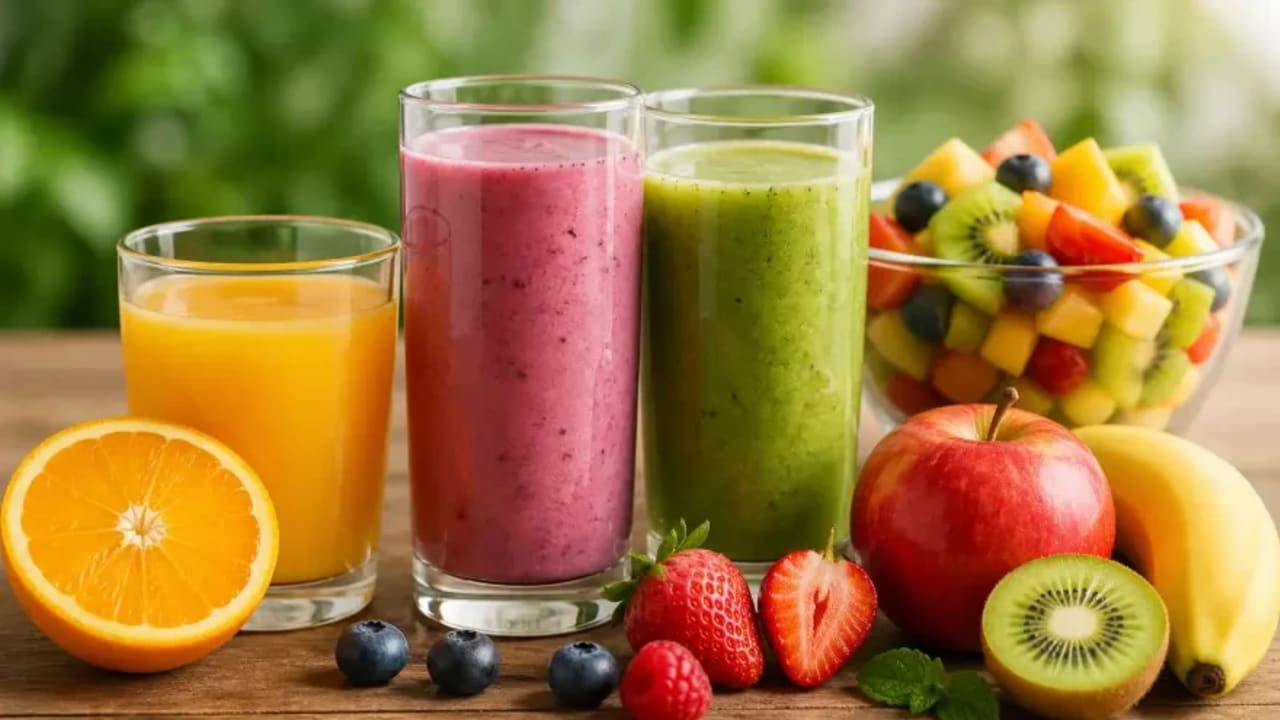
Berries are rich in polyphenols – plant compounds that act as antioxidants and are naturally found in vegetables and fruits. Studies have found that they have a supportive effect on the bacterial population by regulating the composition of gut bacteria and supporting the growth of good bacteria. In turn, gut bacteria break down polyphenols to release active metabolites that are important for disease prevention and human health.
Other sources of polyphenols: Grapes, strawberries, apple, cherries, cocoa, and tea.
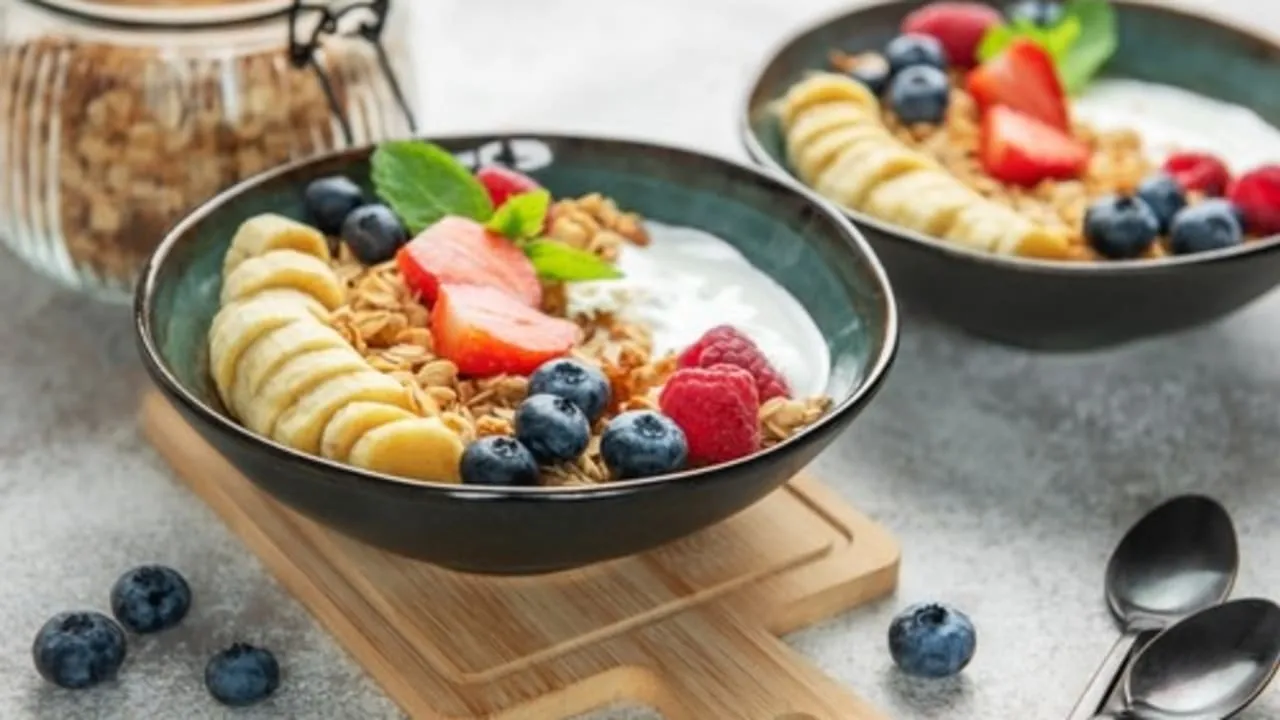
Tip: Fresh or frozen, the values are well preserved in any case. Excellent to add to a smoothie or yogurt.
Yogurt
Yogurt is a fermented food that contains good bacteria, helping to enrich the diversity of bacteria in the digestive system. Studies have shown that in people who consumed fermented foods, there was a significant positive change in microbiome composition along with a decrease in several blood inflammation markers. Fermented foods are those that have undergone fermentation processes, or “acidification processes,” previously used for food preservation.
Other sources of fermented foods: Kefir, pickled vegetables such as sauerkraut or kimchi, and even cucumbers pickled at home.
Tip: Homemade pickled cucumbers: 2–3 Aromato cucumbers + saltwater. Preparation: Cut the cucumbers and put them in saltwater – for each liter of water, add a tablespoon of salt, mix, cover completely with water, and leave closed for about 5 days. Then transfer to the refrigerator and eat.
Bananas
Bananas contain inulin – a dietary fiber that studies have shown significantly promotes gut bacterial diversity. In addition, it helps gut bacteria better protect the liver from various damages, including fatty liver, and it is more effective in children and young people.
Other sources of inulin: Onion, garlic, and artichoke.
Tip: Now is the season – include a fresh banana as a snack.
Tomatoes
Like other vegetables and fruits, the tomato is a source of dietary fiber that contributes to gut bacteria and regular bowel movements. In 100 grams of tomato, there is about 4% of the recommended daily intake.
Dietary fibers are not broken down and are not absorbed in the small intestine, so they continue their way and reach the colon almost intact. There, their significant role begins: They serve as a main energy source for microbiome bacteria, which ferment and break them down.
Other sources of fiber: Various vegetables and fruits are the main source of fiber in the diet. It is recommended to combine at least five types per day.
Tip: Tomato paste with a tablespoon of olive oil in the morning may help digestive system activity.
Oatmeal
Oatmeal contains beta-glucan, a dietary fiber that studies have found helps reduce cholesterol and may reduce the risk of coronary heart disease and vascular disease. In addition, oatmeal, thanks to its fiber, improves bowel movements and contributes to digestive health.
Other sources: Barley and whole grains such as rye and more.
Tip: Not only for porridge – oatmeal is excellent for thickening soups or as an addition to patties.
Brown Rice
Cooked and then cooled carbohydrates form resistant starch, a type of carbohydrate that is not digested in the small intestine, so it continues to the colon almost unchanged. In the colon, it is broken down by microbiome bacteria and nourishes them. Studies have found that it improves insulin sensitivity and reduces post-meal sugar levels.
Other sources of resistant starch: Cooked and cooled potatoes, green bananas, cooked and cooled pasta.
Tip: To increase the amount of resistant starch, refrigerate the above foods, preferably overnight after cooking.
Lentils
Lentils contain GOS fibers (galacto-oligosaccharides), which are unique prebiotic fibers – short-chain carbohydrates that are not digested in the small intestine and reach the colon, where they serve as a preferred food for friendly bacteria, especially Bifidobacteria. Their consumption has been linked to supporting normal digestive system and immune system function.
Other sources of GOS: Breast milk, legumes such as chickpeas, white beans, nuts.
Tip: Legumes cause you bloating and gas? Soak for at least 3 hours before cooking to reduce these effects.